
🎯 The recruitment process in 2026: what has changed
The recruitment process is constantly evolving, and 2026 brings its share of technological and methodological innovations. Between artificial intelligence, automated selection systems and new expectations from recruiters, understanding the recruitment stages becomes essential for any candidate in job search. This comprehensive guide takes you through each phase of the candidate journey, from discovering a job offer to signing your contract.
Whether you are a recent graduate or experienced professional, mastering recruitment in 2026 and its specificities will allow you to maximize your chances of landing the job of your dreams. Let's discover together the main stages that every candidate must know and anticipate.
📋 Phase 1: Preparing Your Application
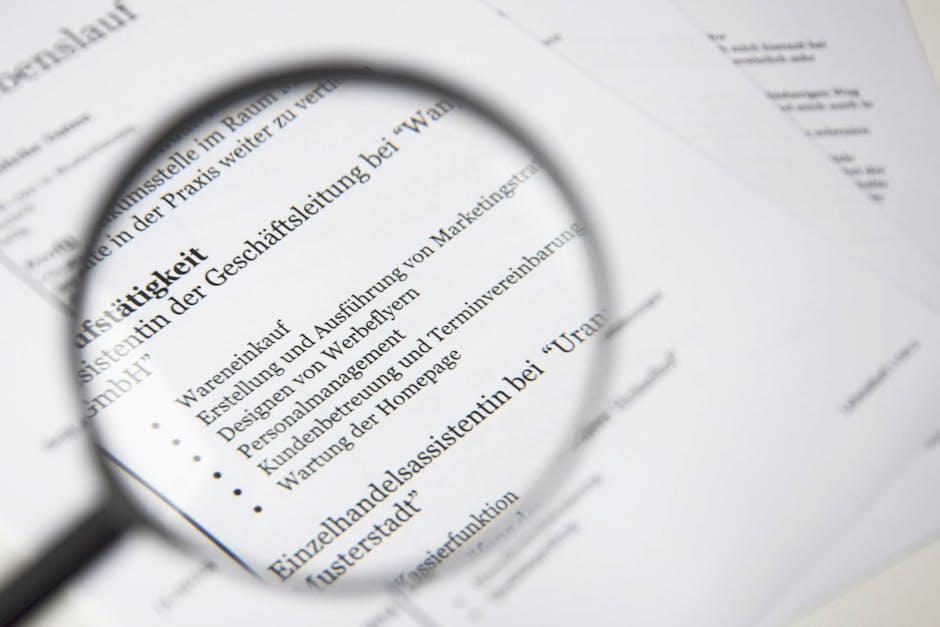
Job Search and Offer Analysis
The first step of the recruitment process begins well before sending your application. It starts with an active and strategic search for professional opportunities. In 2026, job platforms use sophisticated algorithms to match profiles with available positions. Take time to analyze each job offer in depth: required skills, company culture, proposed tasks.
Identify recurring keywords in job listings in your field. These terms should appear naturally in your CV and your cover letter to pass the automated pre-selection filters.
💡 According to an HR study 2026, 82% of companies now use ATS systems to filter applications, making CV optimization essential.
Creating an ATS-Optimized CV
Your CV is your passport to passing the first barrier of the recruitment process. In 2026, applicant tracking systems (ATS) are more sophisticated than ever. A poorly formatted CV or one lacking the right keywords will be automatically rejected during candidate selection.
Prioritize a clear structure with well-defined sections: professional experience, skills, education. Use action verbs and quantify your achievements. Avoid complex graphics, tables, or columns that disrupt automated reading. Rise & Hire helps you create CVs perfectly adapted to 2026 recruitment requirements.
Writing a Compelling Cover Letter
Even in the age of automation, the cover letter remains a crucial differentiating element. It humanizes your application and demonstrates your genuine motivation for the position. In 2026, recruiters appreciate concise (300-400 words maximum), personalized letters focused on the added value you bring to the company.
Avoid generic formulations. Mention specific company elements and clearly explain how your skills meet their needs. This personalization makes all the difference in the recruitment process.
🔍 Phase 2: The selection and screening of candidates
Automated filtering by ATS
After submitting your application, it enters the automated screening phase. ATS systems analyze your resume in seconds, looking for a match between your qualifications and the job requirements. They evaluate keywords, relevant experience, education, and technical skills.
⚡ On average, a recruiter spends only 7 seconds on a resume during the first manual screening, which is why clear and impactful presentation is important.
This step of the recruitment process typically eliminates 60 to 75% of applications. This is why ATS optimization has become essential for any candidate in job search in 2026.
Human review of retained applications
Profiles that have passed the ATS filter are then reviewed by recruiters. This phase of candidate selection involves a more thorough reading of your resume and your cover letter. Recruiters look for consistency in your background, cultural fit, and signs of authentic motivation.
They may also check your LinkedIn profile and your online presence. Make sure your professional digital identity is consistent with your application.
💼 Phase 3: Job Interviews

The preliminary phone or video interview
If your profile sparks interest, you will be contacted for an initial job interview, often by phone or video conference. This step of the recruitment process aims to validate the information on your CV, assess your communication skills and confirm your motivation.
Prepare yourself by reviewing the job posting, listing your key achievements and formulating relevant questions about the company. In 2026, many recruiters also use asynchronous video interviews where you answer pre-recorded questions. Take care with your environment, your presentation and your speech.
The in-depth interview with the manager
The next step typically involves one or more interviews with your future manager and potentially the team. These job interviews evaluate your technical skills, your problem-solving ability and your fit with the team.
Use the STAR method (Situation, Task, Action, Result) to structure your answers to behavioral questions. Demonstrate your understanding of the job's challenges and your ability to contribute quickly.
🎯 Candidates who ask strategic questions during the interview increase their chances of being selected by 40%, according to 2026 HR data.
Tests and complementary assessments
2026 recruitment frequently includes additional assessments: technical skills tests, case studies, psychometric evaluations or professional simulations. These tools allow recruiters to objectify candidate selection and predict future performance.
Approach these tests with seriousness and authenticity. They also offer the opportunity to concretely demonstrate your abilities beyond what appears on your CV.
🏆 Phase 4: The final decision and the offer
Reference checks
Before finalizing their choice, recruiters generally contact your professional references. This step of the recruitment process validates your background and gathers testimonials about your work. Inform your referees in advance and make sure they can speak positively about your collaboration.
Negotiating and accepting the offer
If you are the selected candidate, you will receive a formal offer detailing the position, compensation, and employment conditions. This is the time to negotiate important aspects for you: salary, remote work, benefits, training.
Prepare your arguments based on market standards and your added value. Professional and respectful negotiation strengthens your image and lays the groundwork for successful collaboration.
🚀 Maximize your chances of success

Understanding the recruitment stages in 2026 is essential, but preparation makes all the difference. Each phase of the recruitment process requires a specific strategy. Your CV must be optimized for ATS, your cover letter personalized, and your preparation for job interviews rigorous.
Rise & Hire supports you in this approach by offering you ATS-optimized CV creation tools, adapted to the requirements of 2026 recruitment. Our platform analyzes your application and provides you with personalized recommendations to maximize your chances at each stage.
The job search may seem intimidating, but with a clear understanding of the recruitment process and the right tools, you significantly increase your opportunities for success. Each application sent is an opportunity: make sure it fully reflects your potential and professionalism.