
🎯 What is a Professional Profile and Why is it Essential?
A professional profile on your resume — also called a resume summary or professional summary — is the short paragraph that appears at the top of your resume, just below your contact details. In a few lines, it summarises who you are, what you bring to the table, and what you're looking for. It's your first written impression with a hiring manager.
In the UK and US job markets, recruiters — whether they work in agencies, in-house, or via platforms like LinkedIn and Indeed — receive dozens of applications per vacancy on average. According to recruitment research, a hiring manager typically spends less than 30 seconds on an initial resume review. Your summary must capture attention immediately.
Unlike some international practices where the resume summary is still gaining traction, this section remains underutilised by many job seekers. That's precisely why a well-crafted professional profile instantly sets you apart from the majority of other candidates.
📋 Key Elements of an Effective Professional Profile
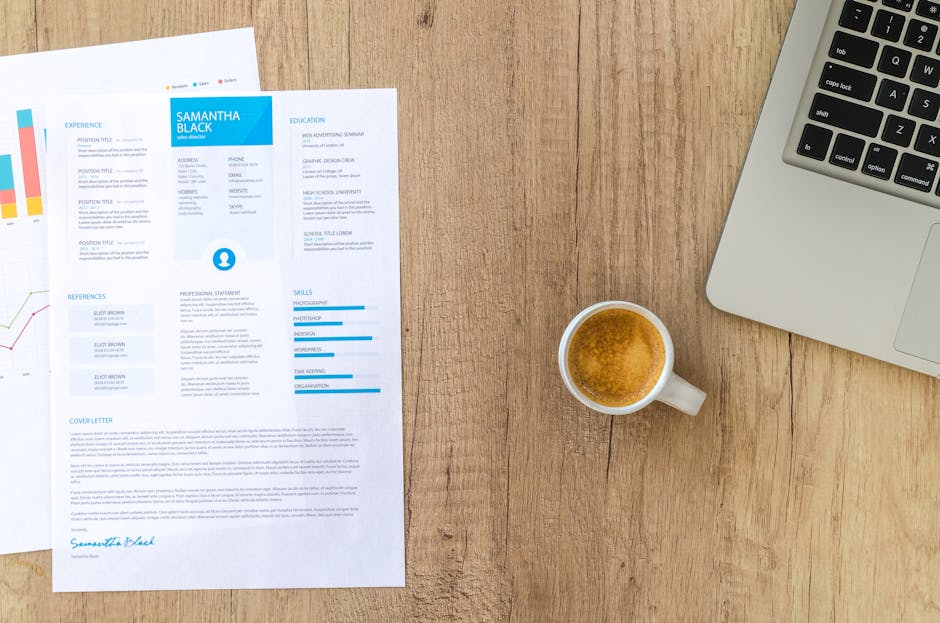
A compelling professional summary on your resume relies on clear structure. This isn't a biography or condensed cover letter—it's a strategic statement of 3 to 5 lines (roughly 50 to 80 words) built around three pillars:
- Your professional identity: your job title, level of experience, and industry. Example: "Digital Marketing Manager with 7 years' experience in B2C retail."
- Your differentiating skills: two or three concrete areas of expertise that directly match the job requirements.
- Your added value or objective: what you bring to the employer or what you're seeking (a permanent position, management opportunity, successful career change, etc.).
Avoid vague, overused phrases like "driven and motivated" or "team player." These add nothing concrete and weaken your summary. Instead, use strong action verbs and quantifiable results whenever possible: "led a team of 12 people," "reduced employee turnover by 20%."
✅ How to Tailor Your Resume Profile to Every Application
One of the most common mistakes job seekers make is writing a generic professional summary and copying it into every application. Yet every job posting is different, and your profile needs to reflect that distinction.
The most effective approach is to carefully read the job description and extract the key terms: required technical skills, industry, employment type (permanent, contract, freelance), and level of responsibility. These terms should then appear naturally within your professional summary.
This approach is especially critical because many employers and recruitment firms now use ATS software (Applicant Tracking Systems) to automatically filter applications before a human ever sees them. A resume that isn't optimised for these tools can be rejected before it reaches a recruiter's desk. Incorporating the right keywords in your profile significantly increases your chances of passing this initial screening.
Practical tip: Create a base version of your professional summary, then customise the final two sentences for each application. You'll save time while staying relevant.
💡 Real-World Examples Based on Your Career Stage

The content of your resume summary varies significantly depending on your profile and situation. Here are several examples tailored to the realities of the UK/US job market:
For an Experienced Professional
"Operations Director with 15 years' experience in food and beverage manufacturing. Specialist in supply chain optimization and change management, leading transformation projects that delivered up to £1.5M in annual savings. Currently seeking a senior management role with a permanent contract in an international organization."
For a Recent Graduate
"Master's degree in Human Resources (2024) with two substantial internship experiences in small-to-medium industrial firms. Proficient in HR management systems and employee relations best practice. Eager to secure my first permanent position contributing to HR strategy at a growth-focused company."
For a Career Changer
"Former Sales Manager transitioning to full-stack web development following completion of professional certification (2023). Eight years in client project management enable me to combine business acumen with technical expertise. Seeking permanent or contract opportunities to strengthen my skills in an agile environment."
- Always tailor your employment type preference (permanent, contract, temporary, freelance) to match the specific role.
- Mention your location or willingness to relocate if it's an important consideration for the position.
- For senior professionals, emphasize measurable results and impact rather than job responsibilities alone.
🚀 Critical Mistakes to Avoid in Your Professional Profile
Even experienced job seekers make recurring mistakes when writing their professional resume summary. Here are the main ones you need to fix right away:
- Writing in the first person: In the UK and US job markets, hiring managers expect your professional summary to be written in third person or without personal pronouns. Say "Marketing Manager with 5 years of experience" rather than "I am a marketing manager with 5 years of experience".
- Going over 5 lines: A summary that's too long discourages recruiters from reading on. Keep it concise and punchy.
- Using generic phrases: Recruiters spot cookie-cutter profiles instantly. Always personalise your summary to match the role.
- Ignoring ATS keywords: With most large employers now using Applicant Tracking Systems (ATS) to filter CVs, optimising your summary with relevant keywords is essential.
- Skipping proofreading: A single spelling or grammar error in your opening lines can be enough to disqualify your application. Use a spell-checker and have someone else review your work.
Remember that your professional summary must be consistent with the rest of your resume. If your opening emphasises leadership skills, your work experience should back that up. An unfulfilled promise undermines your credibility with hiring managers.
Ready to write a professional resume summary that genuinely grabs recruiters' attention? Rise & Hire supports you with intelligent tools and ATS-optimised templates to craft a tailored summary that's perfectly matched to each job application. Create your professional resume for free on Rise & Hire and give your job search the competitive edge it deserves.