
🎯 The Traditional Resume: A Proven Tool But Increasingly Limited
For decades, the traditional resume has been the essential key to success in the English-speaking job market. Carefully formatted in Word or Google Docs, it reflects the candidate's personal effort and attention to detail. Indeed and LinkedIn have long promoted this classic format: one to two pages, chronological or functional structure, well-defined sections (experience, education, skills, interests).
Yet this model is showing its limitations today. In a job market where recruiters often receive hundreds of applications for a single permanent or fixed-term position, the traditional resume struggles to stand out. It also faces a major structural problem: it's rarely optimized for ATS software (Applicant Tracking Systems), the automated screening tools used by the majority of large companies and recruitment agencies.
A poorly structured resume, with complex tables or unusual fonts, can simply be overlooked by these systems before ever reaching a human recruiter. It's a silent obstacle that many candidates don't even suspect exists.
📋 AI-Generated Resumes: A Game-Changer in Job Applications

Artificial intelligence has fundamentally transformed how candidates can write and optimise their resumes. AI resume-building tools analyse your profile, the job requirements, and industry-specific keywords to produce a structured, relevant document that's compatible with Applicant Tracking Systems (ATS).
Contrary to popular belief, an AI-generated resume isn't a generic, impersonal document. The best platforms offer sophisticated personalisation: tone, highlighted experience, skills tailored to your sector (IT, finance, marketing, healthcare, manufacturing, and more). The result is a resume that speaks the same language as recruiters and sorting algorithms.
Here's what AI brings to the table in practice:
- Automatic ATS optimisation: intelligent integration of keywords sourced directly from job listings.
- Coherent, readable structure: professional formatting aligned with UK and US market standards.
- Significant time savings: a complete resume generated in minutes, rather than several hours the traditional way.
- Powerful rephrasing: AI knows how to transform routine experience into a compelling achievement.
- Multi-role adaptation: quickly create multiple versions tailored to different job postings.
For job seekers registered with Indeed or LinkedIn, or professionals in career transition supported by recruitment agencies, this speed of execution can make a real difference in an active job search.
✅ Head-to-Head: AI-Generated Resume vs Traditional Resume in Today's Job Market
To objectively compare the effectiveness of both approaches, let's examine the key criteria that determine your application's success in the UK and US job markets.
ATS Compatibility
A traditionally written resume without proper formatting often fails at the first automated screening stage. In contrast, an AI-generated resume is built from the ground up to pass this critical filter. According to multiple HR studies across North America and Europe, up to 75% of resumes are rejected by ATS systems before a hiring manager ever sees them. AI dramatically reduces this risk.
Writing Quality
A traditional resume can stand out through authenticity and originality—but only if you're a skilled self-promoter. Not everyone possesses this talent. AI bridges writing gaps and delivers consistent, polished, professional-grade language throughout your application.
Customisation
Traditional resumes are often sent word-for-word to every job posting due to time constraints. AI lets you quickly tailor content to each specific role, significantly boosting how relevant recruiters perceive your candidacy.
Visual Presentation
An AI-generated resume typically features clean, modern designs that align with current market standards. A traditional resume's appearance depends entirely on your design skills—it can range anywhere from sleek and professional to amateurish.
"A winning resume is one that clears the ATS filter AND makes a recruiter want to call you. AI lets you accomplish both simultaneously."
💡 Key Limitations to Know and How to Overcome Them
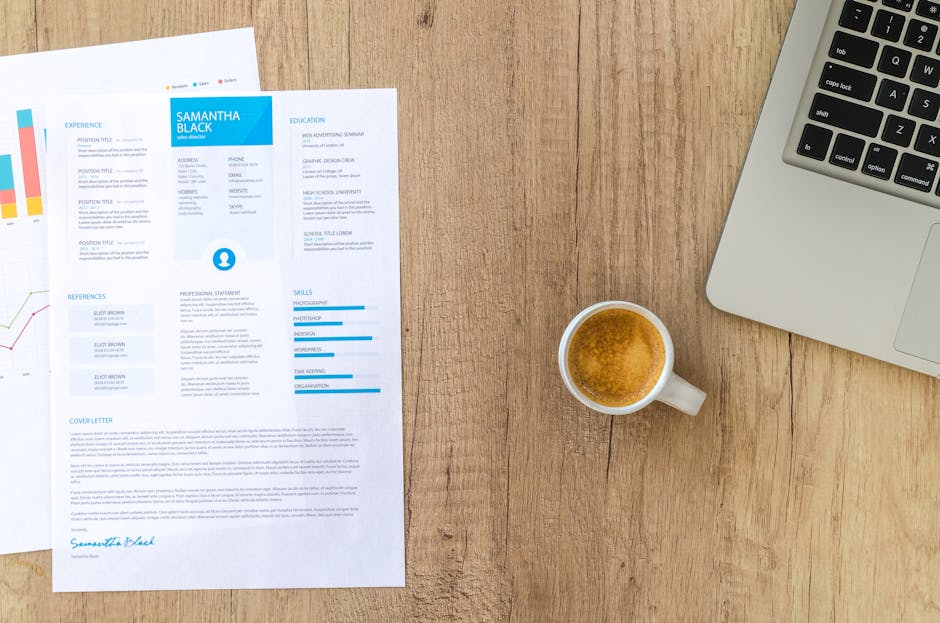
Let's be honest: an AI-generated resume isn't automatically perfect. There are a few limitations worth understanding so you can anticipate and address them.
First, AI doesn't know your story better than you do. If the information you provide is too vague or incomplete, the output will be too. It's essential to provide precise details about your experience, quantifiable achievements, and specific skills.
Second, certain highly specialized sectors (law, medicine, academic research) may require additional manual tweaking to incorporate ultra-technical vocabulary or industry-specific conventions that only professionals in those fields would recognize.
Third, the cover letter remains a distinctly human exercise, especially when applying to UK and US employers. While AI can help you structure it, it needs to be personalised with your own voice and genuine enthusiasm for the specific role and company.
The best practice? Use AI as a solid, optimised foundation, then add your personal touch to the more subjective elements. This combination truly gives you the best of both worlds.
🚀 Which Resume Format Should You Choose to Maximise Your Chances in 2025?
The answer is straightforward: in today's UK and US job market, an AI-optimised resume offers a real and measurable competitive advantage. This isn't about laziness or outsourcing your application to a machine. It's an intelligent strategy to adapt to a market where technology plays an increasingly central role.
Whether you're applying for a permanent role at a mid-sized tech firm, a fixed-term contract with a Fortune 500 company, or a contract position through a recruitment agency, your resume will almost certainly be screened by an ATS (Applicant Tracking System) before reaching a human recruiter. Ignoring this reality is shooting yourself in the foot from the start.
The traditional resume still holds value in certain contexts: direct networking applications, strong professional connections, creative industries, or highly personalised roles. But for the vast majority of online job applications, AI brings an efficiency that manual work alone cannot consistently guarantee.
To summarise:
- ✅ AI Resume: ideal for online applications, ATS-compatible, fast, professional, and adaptable.
- 📋 Traditional Resume: relevant for networking-based applications or highly specialised sectors.
- 💡 Combination of Both: the winning strategy for the most ambitious candidates.
Ready to give your application a competitive edge? Rise & Hire lets you create a professional, ATS-optimised resume in just a few minutes. With its intelligent builder, your profile is presented in a structured and compelling way, tailored to today's job market demands on LinkedIn, Indeed, and beyond. Don't let an algorithm decide your future — take control with a resume designed for success. Try Rise & Hire today and transform your job search.